
"Ethiopia coffee classification"
900 article(s) found

90 + Romique Lomi Tasha what is the planting environment and flavor of Ethiopian washed beans?
Professional coffee knowledge exchange more coffee bean information please pay attention to the coffee workshop (Wechat official account cafe_style) 90 + Romiqi Lomi Tasha Ethiopian water washed beans growing environment and taste? Country: Ethiopia: Yega Sheffiwoka village altitude: 17502000 meters treatment method: washing LEVEL UP 90+ is a fine raw bean processing company NinetyP

Coffee basic knowledge Coffee beans Classification and Taste detailed explanation
The origin of Yirgacheffe coffee beans: although it is petite, it is gentle and delicate, sweet and lovely. As the hometown of coffee, thousands of years of planting history and processing tradition in Ethiopia have created high-quality washed Arabica beans. Light baking has unique sweet aromas of lemon, flowers and honey, soft acidity and citrus flavours.
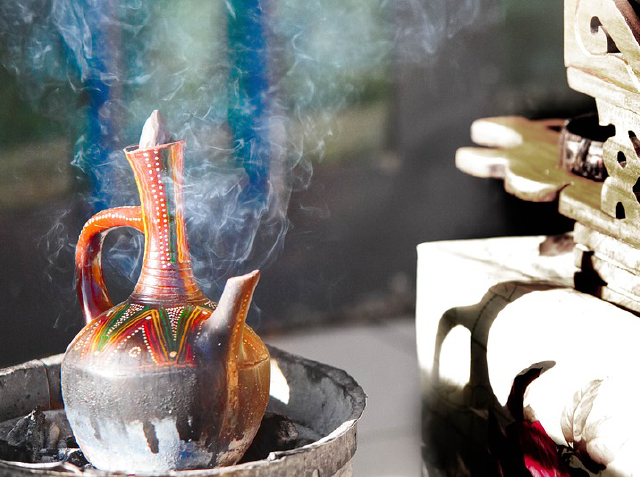
Classification and Flavor characteristics of Ethiopian Coffee Bean Heirloom varieties introduced in Ethiopian Fine Coffee producing areas
Ethiopia, the birthplace of coffee, has a number of boutique coffee producing areas, producing popular high-quality coffee beans, such as Yega Xuefei, Guoding Ding Ding, Sakui and so on. Each producing area will have its own flavor characteristics. Follow Qianjie Coffee to learn about it.
Classification of coffee beans
Grade Grade1 (level 1): washed bean highest Grade2 (second level): washed bean standard level Grade3 (third level): sun dried bean highest standard grade Grade3 (fourth level): sun dried bean standard grade Grade5 (fifth level): basic level of sun dried bean export this grading region representative: Ethiopia according to size particle classification: e Peaberry round bean super large PB P

Sun-treated coffee beans Ethiopian 90+levelupDerar Ela Deraila flower language
The main coffee producing countries in Africa are Kenya, Ethiopia, Angola, Tanzania, Zambia, Zimbabwe and so on. Kenya grows high-quality Arabica coffee beans, which absorb almost the essence of coffee cherries, with a slightly sour, thick aroma, and are very popular among Europeans, especially in Britain. Kenyan Coffee surpasses Costa Rica.

Boutique coffee beans common sense Ethiopian mocha coffee beans
Ethiopia (Ethiopia) is one of the major producers of Arab coffee beans in Africa, producing the best Arab mocha beans in the world. It is said that coffee beans were first discovered by shepherds in the Kafa region of Ethiopia, and the name of coffee evolved from Kafa, so Ethiopia is still the hometown of coffee. Production and processing of coffee beans in Ethiopia
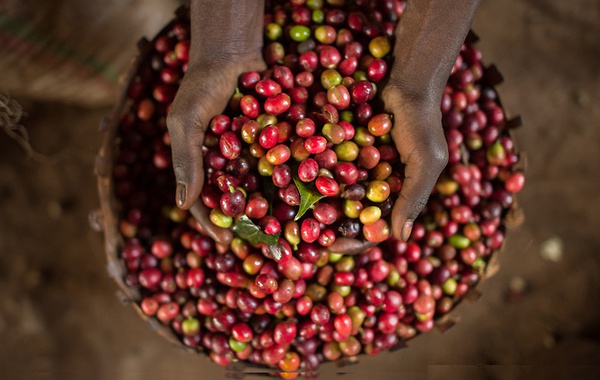
Coffee from Ethiopia, the birthplace of coffee, introduces how Ethiopian coffee powder
Ethiopia is one of the major producers of Arabica coffee in Africa, producing the best Arabian coffee in the world. It is said that coffee was first discovered by shepherds in Essekafa, and the name of coffee evolved from Kafa, so Essex is still the hometown of coffee. The geographical environment of coffee production and processing is very suitable for coffee growth. Coffee is mainly cultivated.

An important detail on the World Coffee Map about the great Ethiopian boutique coffee manor
Ethiopia is a country in northeast Africa. Although it is listed as one of the least developed countries in the world, it also produces one of the best coffee in the world. It is said that coffee was first discovered by shepherds in Essekafa, and the name of coffee evolved from Kafa, so Ethiopia is still the hometown of coffee from this point of view. In Ethiopia

90 + boutique coffee bean Jinliana Abaya Danqi Dream Danch Meng Rose Summer Variety what is the style?
Professional coffee knowledge exchange more coffee bean information please follow the coffee workshop (Wechat official account cafe_style) 90 + boutique coffee beans Jinliana Abaya Danqi dream Danch Meng rose summer varieties what are the flavor and taste characteristics? Danqimeng Danch Meng/ Jiaduojia: Ethiopia Ethiopia producing area: 90+SNNP, Kambata Manor: Kambat Zon
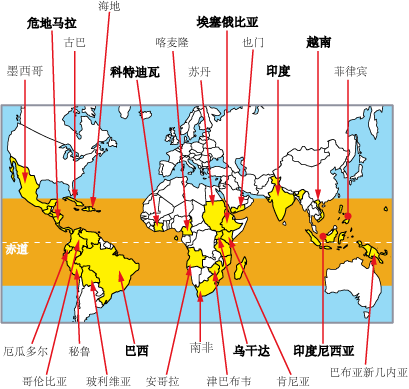
Coffee Common sense Coffee grading system summarizes the selection of classification methods in various countries to determine the altitude of coffee origin
First of all, we should know clearly that the factors that ultimately determine the flavor of coffee come from the environment of its producing area, the way of treatment and the quality of raw beans. I believe that without better raw beans, no matter how good the roaster will not bake amazing coffee. Of course, when good coffee beans are in the hands of baristas, baristas should fully understand their characteristics and then add icing on the cake.

Introduction to the method of describing the Flavor of Coffee Bean varieties in Ethiopia
Ethiopian Coffee introduces Sidamo's classification standard is according to the defect rate, the less the number of defective beans in the same weight standard, the better the quality, the higher the grade! Generally divided into two and three levels (G2, G3), water-washed Sidamo because the treatment process is more perfect than the sun, so most of the G2 level exports are more. On the other hand, most of the sun-processed coffee is grade three or four or five.

A brief introduction to the description of Coffee Flavor and aroma characteristics of Coffee Manor in Ethiopia (Moka)
Due to different planting methods, coffee can be divided into three types: forest-semi-forest coffee (Forest or semi-forest coffee), courtyard coffee (Garden coffee) and plantation coffee (Plantation coffee). 60% of the coffee belongs to forest-semi-forest coffee. In such a wild coffee forest, pesticides are not used at all, but biological methods are used to control pests. 35% of the coffee

Introduction of raw bean grade of Ethiopian coffee boutique coffee
Although the Ethiopian Yirgacheffe coffee is petite, it is gentle and delicate and sweet. As the hometown of coffee, thousands of years of planting history and processing tradition in Ethiopia have created high-quality washed Arabica beans. Light baking has unique sweet aromas of lemon, flowers and honey, soft acidity and citrus flavors, fresh and bright on the palate. No.

A brief introduction to the Yega Xuefei grading system with a classification of 300 grams
For more information on coffee beans, please follow the coffee workshop (Wechat official account cafe_style) A brief introduction to the Yega Xuefei Coffee grading system in the front street of the Coffee Workshop (official Wechat account). A small town in Ethiopia is nearly 2000 meters above sea level. It has been a wetland since ancient times. Lake Turkana, Lake Abaya and Lake Chamo bring a moist and warm climate, walking on mountain stream paths, foggy and breezy.

Classification and characteristics of self-baked coffee in cafes list the types and tastes of coffee
Professional coffee knowledge exchange more coffee bean information please follow the coffee workshop (Wechat official account cafe_style) Yunnan coffee bean varieties Typica and Bourbon home-baked coffee beans are numerous, common are coffee beans named after producing countries or regions, such as Ethiopia, Mantenin, etc., as well as beautiful names of special beans, for the first taste
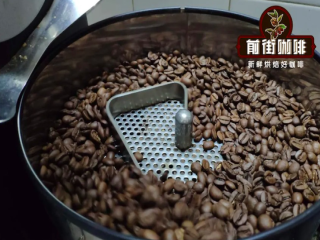
Introduction to the grading standard system of African coffee beans according to what classification of coffee beans
Friends who have tasted boutique coffee must have found that the coffee beans we drink have a variety of grades, so how are they divided? Each coffee producing area uses a different coffee grading system, such as Ethiopia and Kenya, the famous boutique coffee bean producing areas in Africa.

Grading of raw coffee beans
At present, there are three main rating criteria for raw coffee beans, and different countries adopt different rating methods according to their own production conditions and national conditions (not all coffee producing countries adopt the same method). Let's introduce these three popular rating methods. One: the reason for the emergence of such a classification standard according to the altitude of the coffee producing area is mainly because of the high level.
Grading according to the proportion of sieve and defective beans
Grading defective beans according to the ratio of sieve and defective beans is an important factor in destroying the flavor of the final coffee. Therefore, defective beans should also be removed in the final step of green bean processing. Therefore, according to the proportion of defective beans, supplemented by screen size is also used as a classification method. Due to the rise of the fine coffee trend, coffee producing countries are paying more and more attention to the quality of coffee. Controlling defective beans is the most important way.

Arabica Coffee Bean Classification
Pay close attention to the coffee review (Weixin Official Accounts vdailycom ) and find that the beautiful coffee shop opens its own small shop Arabica beans are an important kind of commercial coffee. The result period is within three years, with high-quality aroma and sour taste. Arabica coffee beans are mainly produced in South America (except parts of Argentina and Brazil), Central America, Africa (Kenya, Ethiopia, etc.), mainly in the East

Introduction of LOT6 Coffee in Xilinga Village, Xilinga Town, Jinlena Amba Town, G1, Yega Sheffield, Ethiopia
Professional barista exchange please follow the coffee workshop (Wechat official account cafe_style) products: Ethiopian water washed Yega Xuefei G1 Jinlinga Town Xilinga Village LOT6 (Ethiopia Yirgacheffe Gelana Abaya Silinga # 6 washed G1) Flavor description: White flower, litchi, brown sugar, sweet lemon, peach, coffee berry, full flavor